The Five Global Challenges
27th April 2026

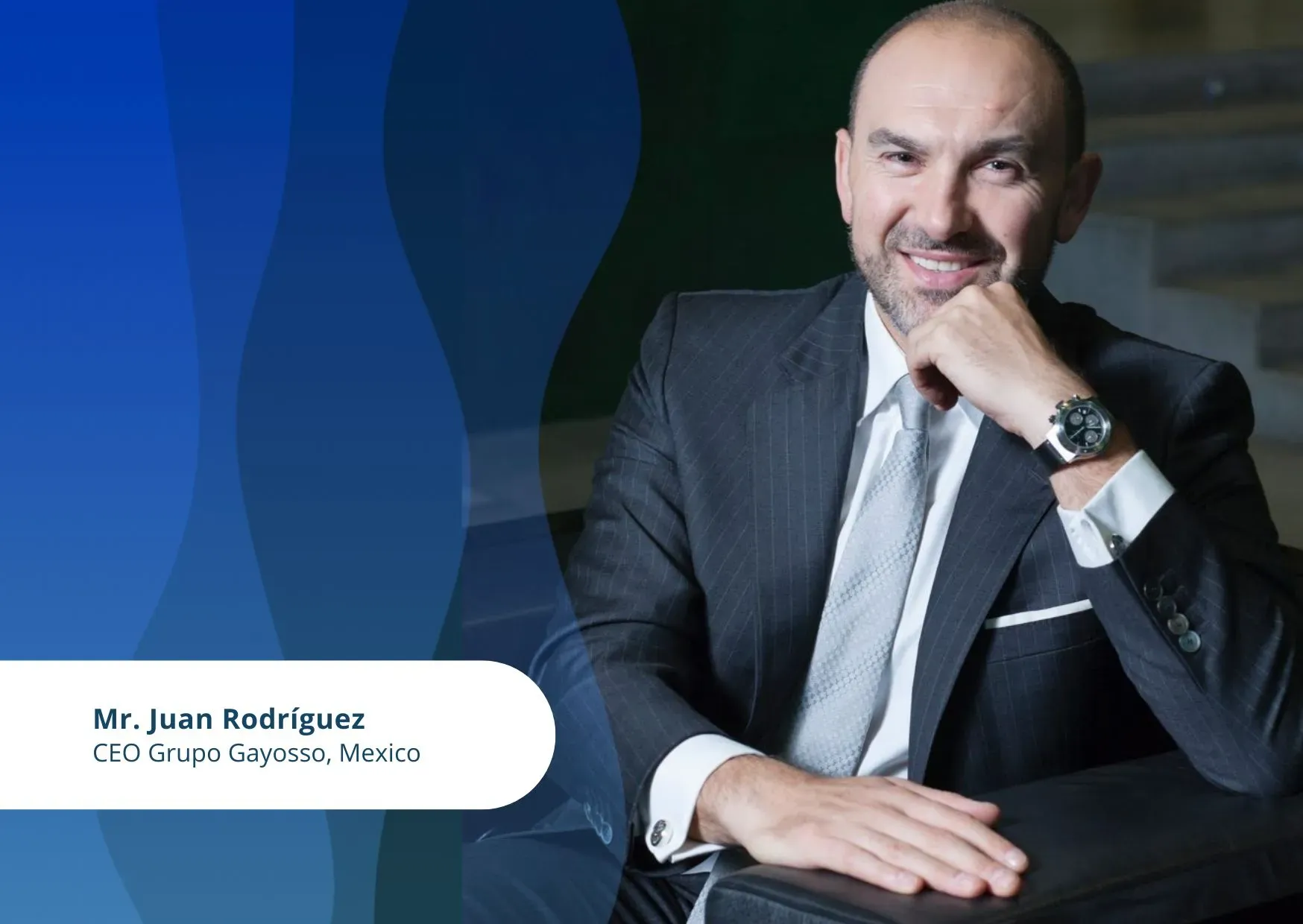
By Juan Rodríguez, CEO Grupo Gayosso, founder and director of the international academy of senior funeral management of TEC de Monterrey, Vice President of demographic challenge, pre-need funeral and funeral services of chambers of commerce in Mexico
In a world that changes faster than it grieves, the funeral services industry stands at a critical crossroads. As we face demographic shifts, evolving social values, and exponential technological development, the global funeral profession must address five urgent challenges to remain meaningful, sustainable, and human. These challenges are not theoretical - they are existential.
1. Our Future Lies in Our Past
In recent decades, funeral rituals have increasingly suffered from a sterile minimalism, stripped of their symbolic power. Yet societies across the globe are rediscovering the profound importance of meaningful farewells. The funeral service of the future will not be defined by efficiency alone, but by its ability to evoke memory, identity, and respect. This means reviving the dignity of ceremony, the emotional resonance of ritual, and the cultural specificity of farewell customs. True innovation lies not in replacing the past, but in dignifying it with contemporary meaning.
2. Owning the Relationship: From Pre-Need to Immediate Need
Families no longer want to navigate a maze of intermediaries. Funeral companies must directly serve both pre-need and immediate-need markets, offering integrated solutions like funeral pre-planning, final expense insurance, and real-time assistance. The key is to build trusted relationships long before the service is required. In doing so, we become life-long partners in anticipation and resolution - providers of peace of mind, not just logistics.
3. Technology With a Human Face
Artificial intelligence, automation, and digital tools can revolutionize operations - but only if used to enhance, not replace, the human connection. Funeral providers must embrace data science and tech economics, creating seamless customer journeys while maintaining empathy at every touchpoint. From AI-generated memorials to virtual grief counselling, the successful funeral homes of tomorrow will be both digitally smart and emotionally intelligent.
4. Emotional Services That Heal
The bereavement process cannot be rushed, nor can it be solved by a checklist. Families increasingly seek services that offer psychological, spiritual, and emotional support - before, during, and after the ceremony. From grief therapy and memorial personalization to storytelling workshops and legacy platforms, the value we bring lies in healing, not just burying. Emotional value is no longer optional; it is a competitive and ethical imperative.
5. Value-Driven Excellence: Beyond Operational Logistics
Funeral services - whether for people or pets - must transcend the perception of being mere logistical providers. The only antidote to commoditization is perceived excellence. Families must feel that they are receiving something exceptional, intimate, and irreplaceable. Only then does price become a secondary factor. Operational competence is assumed; emotional and symbolic impact is what differentiates.
The global funeral industry is not just navigating new waters - it is re-charting its entire course. To remain relevant, we must balance tradition with innovation, technology with tenderness, and price with perceived value. These five challenges are not problems - they are opportunities to redefine our profession for the better. Because in the business of farewells, only those who understand the value of presence will have a future.
Share this article