The Crucial Role of Funeral Directors in Preserving Intangible Cultural Heritage
9th January 2026
By Josep Ventura, PANASEF representative at FIAT-IFTA, Spain
October 17th marked the International Day for Intangible Cultural Heritage, an occasion to reflect on the essential function that funeral professionals can play in safeguarding this collective inheritance. Intangible Cultural Heritage, according to UNESCO, encompasses the practices, expressions, knowledge, and skills that communities recognize as part of their legacy. Funeral directors are custodians of these traditions, rites, and symbols, and can play a vital role in maintaining collective identity.
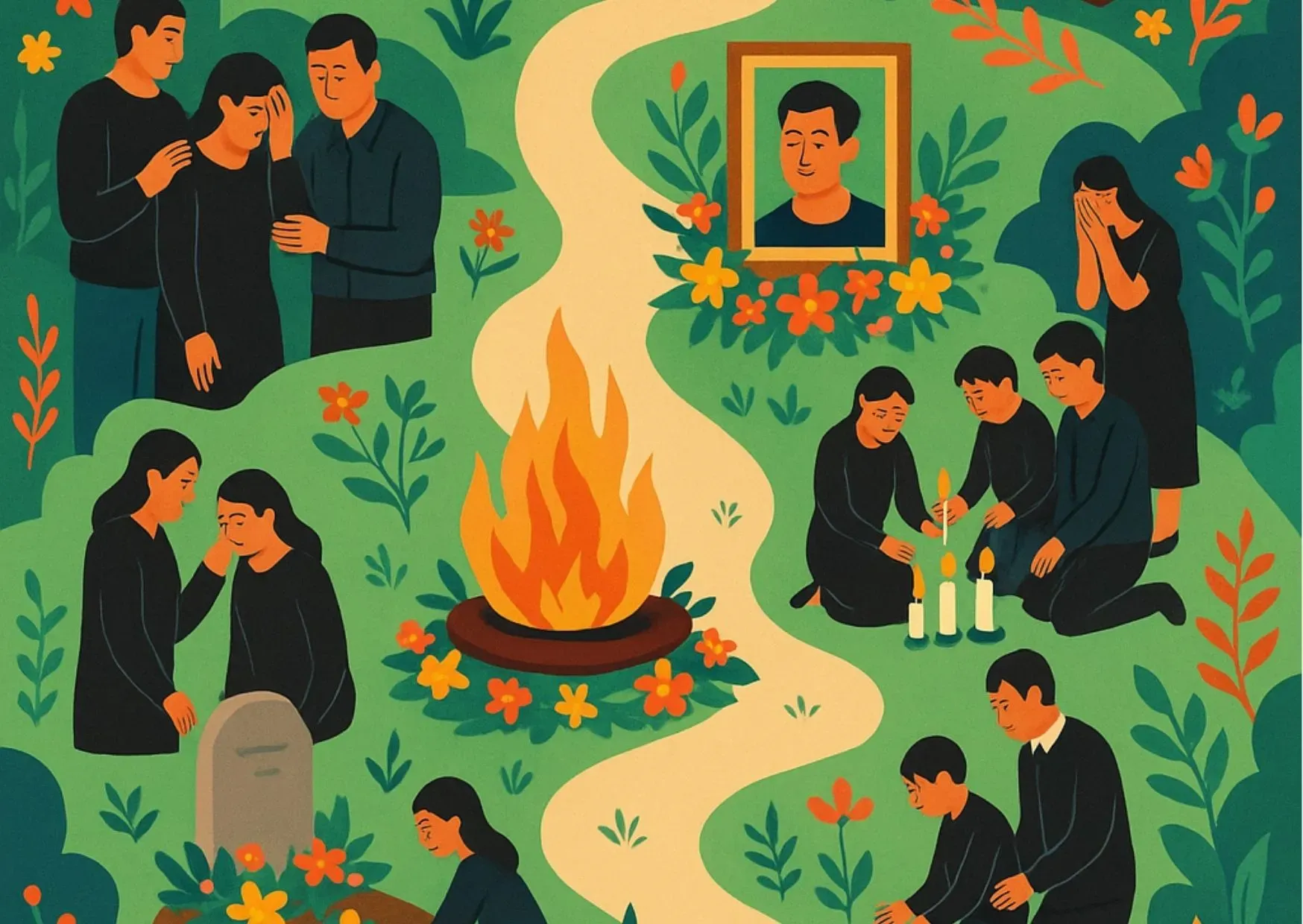
The work of a funeral professional combines technical skills and empathy with cultural transmission. Funeral rituals, universal expressions with ancestral origins, are much more than mere formalities. They are powerful psychological tools that provide people with the necessary space and structure to face grief in a healthy way. These ceremonies reinforce community bonds and transmit values across generations.
Essential Roles in Preservation
Funeral directors can assume four essential roles in this preservation task:
- Custodians of Traditions: They possess knowledge of local customs and understand the evolution of rituals, maintaining their essential meaning.
- Educators and Mediators: They can explain the value of ritual gestures and symbols, ensuring their meaning endures for new generations.
- Institutional Collaborators: They actively participate in documentation projects with universities, museums, and cultural associations.
- Agents of Innovation: They integrate personalization and sustainability into services, always respecting the symbolic essence of the rite.
The FIAT-IFTA Funeral Heritage Committee works to document and raise awareness of funeral traditions recognized as ICH (Intangible Cultural Heritage). Their work focuses on documenting cases by analysing their meaning and evolution, identifying traditions at risk of disappearance, and proposing concrete preservation actions with the involvement of the sector.
Challenges and Best Practices
Preservation faces considerable challenges, such as cultural and commercial homogenization (including the standardization of services and cremation) that threatens cultural diversity, and secularization, which leads to the loss of traditional knowledge due to a lack of generational relay. Furthermore, restrictive regulations can limit historical ritual expressions. The new expectations of current generations, who seek more sustainable and intimate farewells, demand balancing modernity with tradition.
To address these challenges, several best practices are proposed:
- Document: Create digital archives, record testimonies, and gather images of rituals.
- Participate: Involve the community and company staff in the recovery of practices through intergenerational gatherings.
- Educate: Develop programs on funeral heritage in collaboration with schools and universities.
- Disseminate: Publish materials and organize exhibitions to raise awareness of cultural value.
Cooperate: Promote national and international networks for the exchange of experiences and research.
Concrete Proposals for the Sector
Concrete proposals have been outlined for the funeral sector to drive this mission:
- Creation of a Funeral Heritage Archive, a public repository with records, objects, and testimonies of traditions.
- Development of Annual Campaigns to collect photographs, stories, and interviews in local communities.
- Promotion of International Exchange among funeral directors to share cultural knowledge.
- Organization of Traveling Exhibitions to showcase the richness of rituals.
- Use of Immersive Technologies (such as virtual reality) to recreate traditional ceremonies for educational purposes.
Funeral directors manage more than the physical farewell; they preserve the "symbolic soul" of communities, acting as transmitters of a collective memory that gives meaning to social life. Recognizing and honouring the past through the care of traditions is essential to giving meaning to the present. It is an acknowledgement of the importance of the intangible that unites us as human beings.
Share this article