Sustainable Recycling After Cremation
19th March 2026

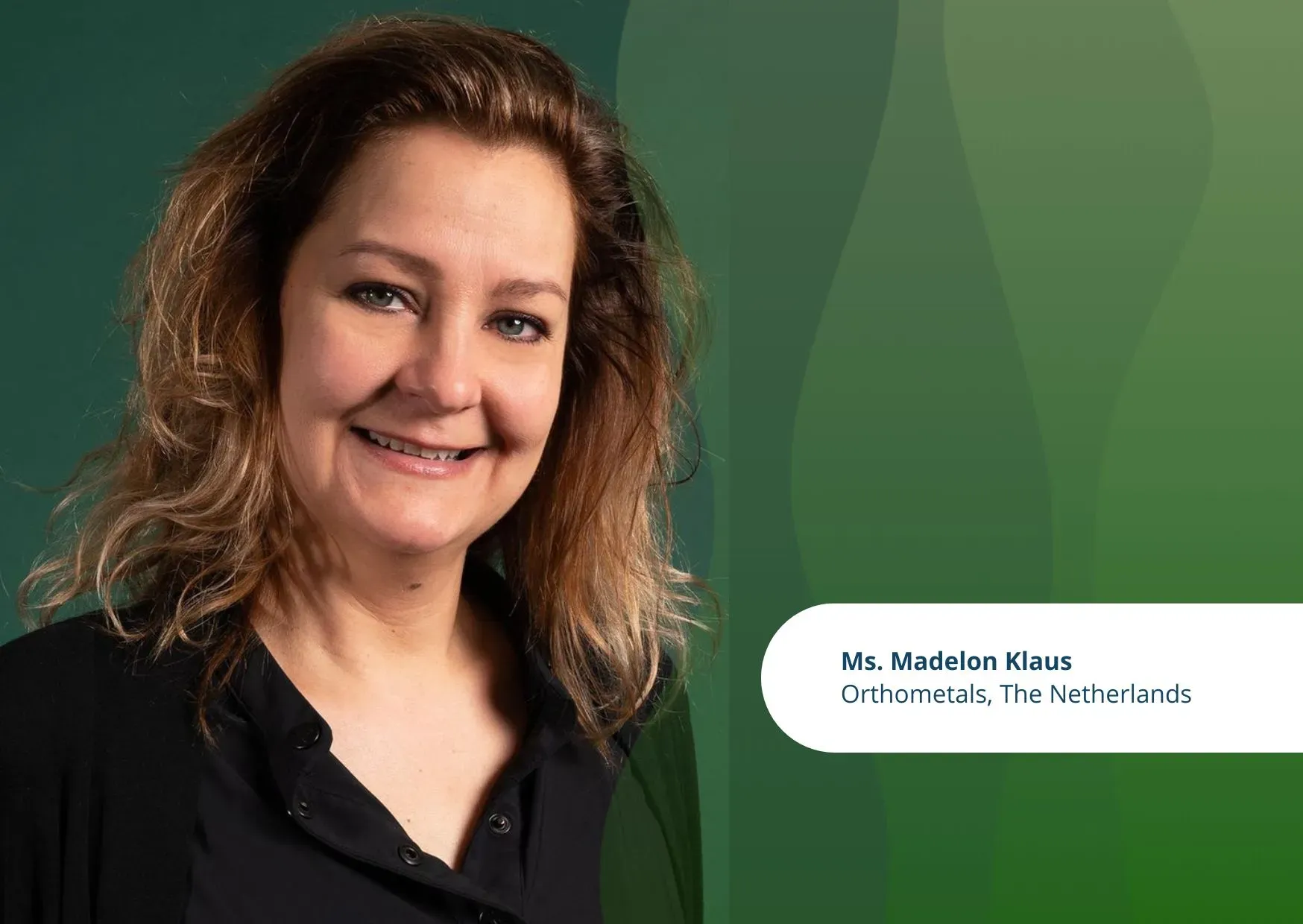
By Madelon Klaus, Orthometals, The Netherlands
In the late 1990s, few solutions existed for handling the metals that remain after cremation in a sustainable and ethical way. Recognizing the environmental and ethical implications of simply discarding these materials, Orthometals was founded in 1997 to develop a more responsible approach.
Today, the company collaborates with more than 2,300 crematoria in over 40 countries, helping to return post-cremation metals to the production cycle in a sustainable and respectful manner. The aim is straightforward: to recover valuable materials that would otherwise be lost, reduce the need for mining, and minimize environmental harm like polluting the soil.
The recycling process not only conserves resources but also supports a social dimension by creating financial resources that our clients can use to support a multitude of good causes. Many crematoria choose to donate the proceeds from recycled metals to local charities or community projects, creating a positive ripple effect that extends beyond environmental benefits.
In recent years, we have seen growing environmental awareness among our clients. The environmental aspect of our services, which is to prepare as many metals as possible for reuse in the value chain, has become a decisive argument for many of our customers to recycle. This development is partly driven by the fact that there is a growing awareness in society in general that we must do more together to protect the earth for future generations.
To support our clients in this regard, we are continuously working to expand and improve our services. For example, through better data analysis, we can provide our clients with increasingly better advice on how they can separate even more valuable metals from the cremated remains. This not only leads to the preservation of more valuable raw materials, but also purer ashes for the bereaved families.
To better understand the environmental gains of recycling versus mining, Orthometals commissioned a Life Cycle Study comparing the two processes. The findings were striking: recycling cobalt was found to be 54 times less harmful to the environment than mining it, titanium 74 times less, and gold more than 220 times less. The results highlight the dramatic difference between reusing existing materials and extracting new ones from the earth. By sharing these insights with our clients, we want to raise their awareness that recycling metals remaining after cremation has a major positive impact on the environment.
Because we believe that sustainability is not an obligation but a conscious choice, we are currently working on our first sustainability report, aligned with the European Union’s Corporate Sustainability Reporting Directive (CSRD). Mapping our carbon footprint is naturally part of this. Based on this, we can see which areas within our company has the potential to reduce CO2 emissions and get a reduction plan in place to actually reach these goals.
With our sustainability initiatives, we hope to inspire not only our clients, but also others in our industry, so that together we can make our industry and the world around us more future proof. This is all embedded in what we call Crecycling.
Share this article