A Modern Profession in the Conservative Society

1st December 2025
A Modern Profession in the Conservative Society

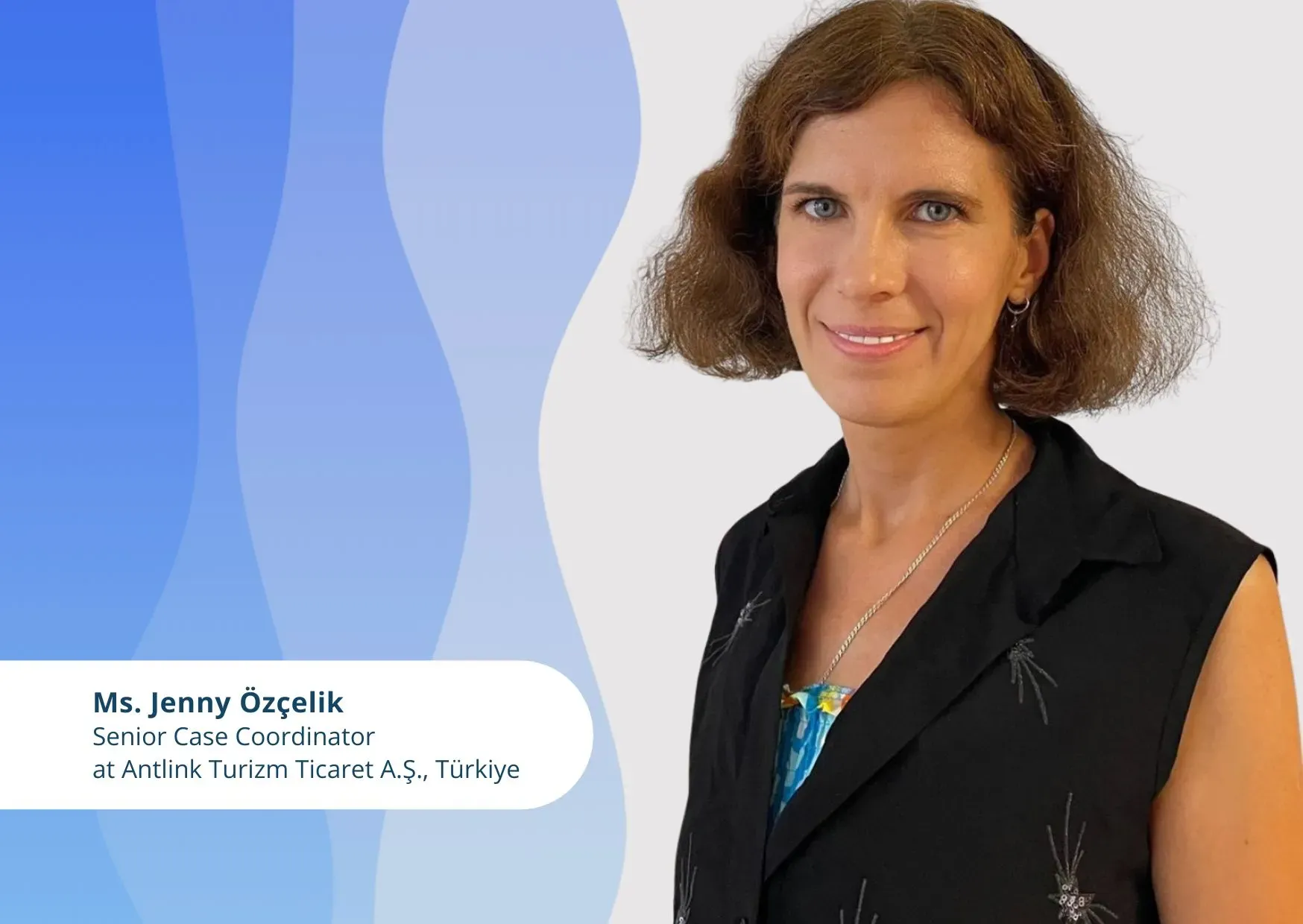
By Jenny Özçelik, Senior Case Coordinator at Antlink Turizm Ticaret A.Ş., Türkiye

The role of a funeral industry specialist in Türkiye is both sacred and evolving. A funeral specialist in Türkiye as a separate profession almost didn’t exist till the 1990s (with exception of Istanbul, where some companies offer services for expats or local communities). There were cemetery workers who dug the graves, there were imams who did the washing and preparation of the body before burial, their work controlled and paid by municipalities. Till nowadays municipalities still control the biggest part of all burials on the territory of the country and employ the major part of workers related to the funeral process – as the burials for locals are free of charge. Local municipalities provide licences for private companies. Private companies may use municipal morgues and cemeteries with costs which are determined by the local municipal committee.

In the mind of an ordinary Turkish person a funeral specialist might have not existed as a profession – unless the business area of that person is closely related to tourism, insurance services or healthcare – till 2024, when the TV series ‘Gassal’ (‘Washer of the deceased’) was broadcasted. After the first episodes more and more people started researching for information on funeral specialists, including both the municipal and private companies’ workers.

The usual process of arranging a burial in Türkiye doesn’t last for more than a day, and the burial is done in the shroud without the coffin. Everything is focused on making the process faster, simpler, less-traumatizing for the bereaved family. That speed is what makes international repatriation of Turks from other countries difficult for the families to understand.

In Türkiye the funeral specialist of a private company should be a professional who combines technical knowledge, cultural sensitivity, emotional intelligence and understanding of modern challenges. As the world changes rapidly, so does the funeral industry, demanding new competencies, ethical framework and communication styles. This often includes being well-versed in Islamic burial rites, local health regulations and procedures for documentation, repatriation and international transport of the deceased. Among Turkish laws in regulation of the funeral business there is Municipalities Law Nr. 5393, General Hygiene Law Nr. 1593 and Directive for Graveyard construction, transportation and burial of deceased by the Ministry of Health. As for international laws accepted by Turkiye, the procedures are done in accordance with Berlin Agreement (1937) and Strasburg Agreement on the Transfer of Corpses (1973) and IATA. It would be nice if some of those regulations could be updated or reviewed by governments/international stakeholders in accordance with the increasing needs.

One of the concerns in Turkiye is the entry of unqualified individuals into the sector: it might happen due to the absence of a unified national licensing system or lack of enforcement of existing regulations. Demand for services increases, and so does the temptation for informal or untrained providers to enter the field, which can compromise quality and dignity. 

Currently, formal education for funeral professionals in Türkiye is limited; municipal employees are often trained on the job through practical experience. Some municipalities, especially in major cities, have initiated in-service training programs on hygiene, burial procedures and grief support. However, there is still only one standardized national curriculum (TSE) and no other certifications for funeral directing, embalming, or bereavement counselling.
In Türkiye there is no rising trend on social media for funeral influences: the industry is pretty conservative and accounts of private funeral companies in social media are mostly for attraction of foreign customers for repatriation services, but rarely targeted to the local population; social media tools are used as an instrument for connection but not spectacle.
 

More inspiring articles on what defines a funeral industry specialist today and whether funeral professionals can, and should, become digital influencers you will find in THANOS magazine 3/2025


Share this article